Revoluciona tu radio con
 Automatización + Inteligencia Artificial
Automatización + Inteligencia Artificial
Automatización + Inteligencia Artificial
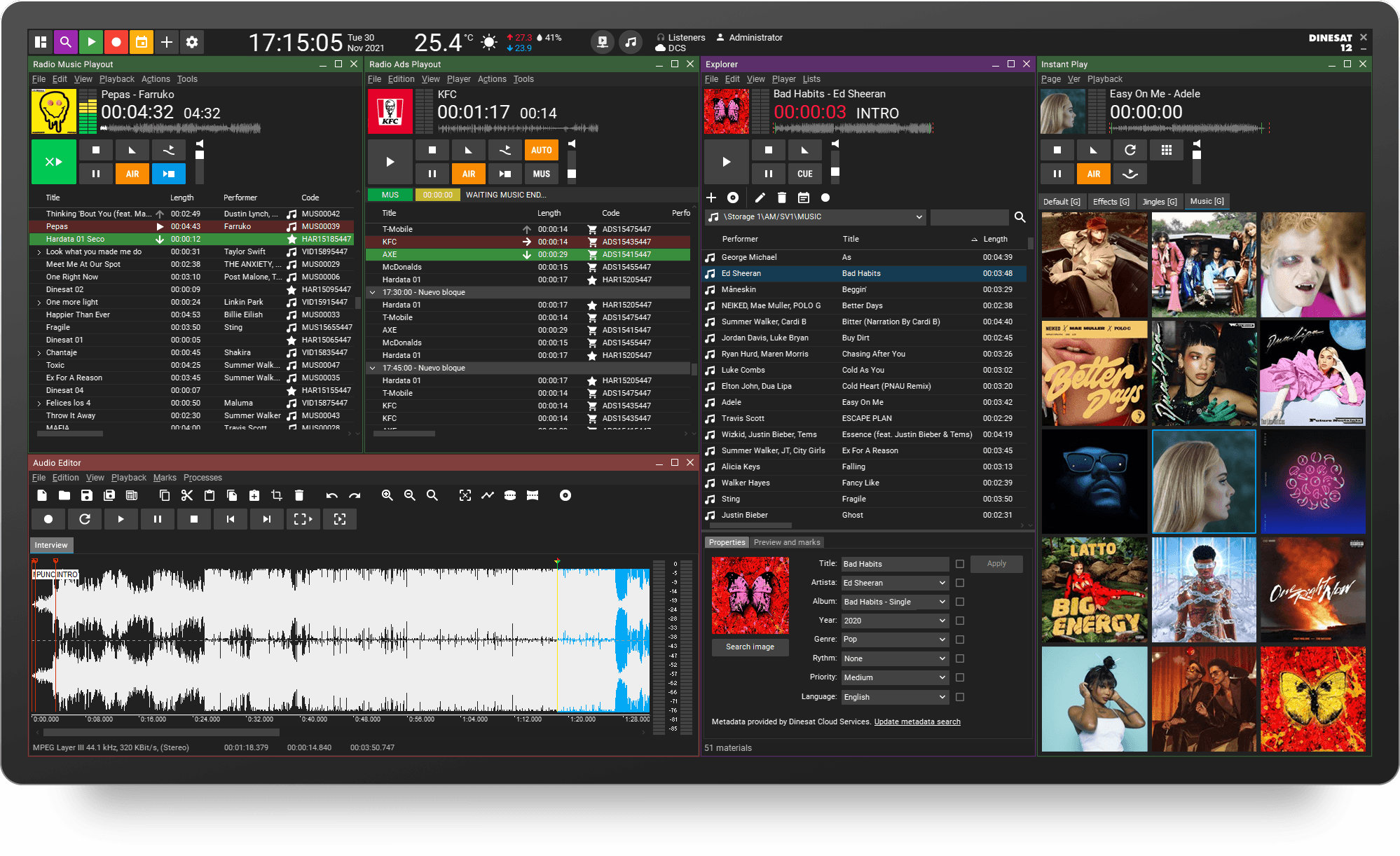
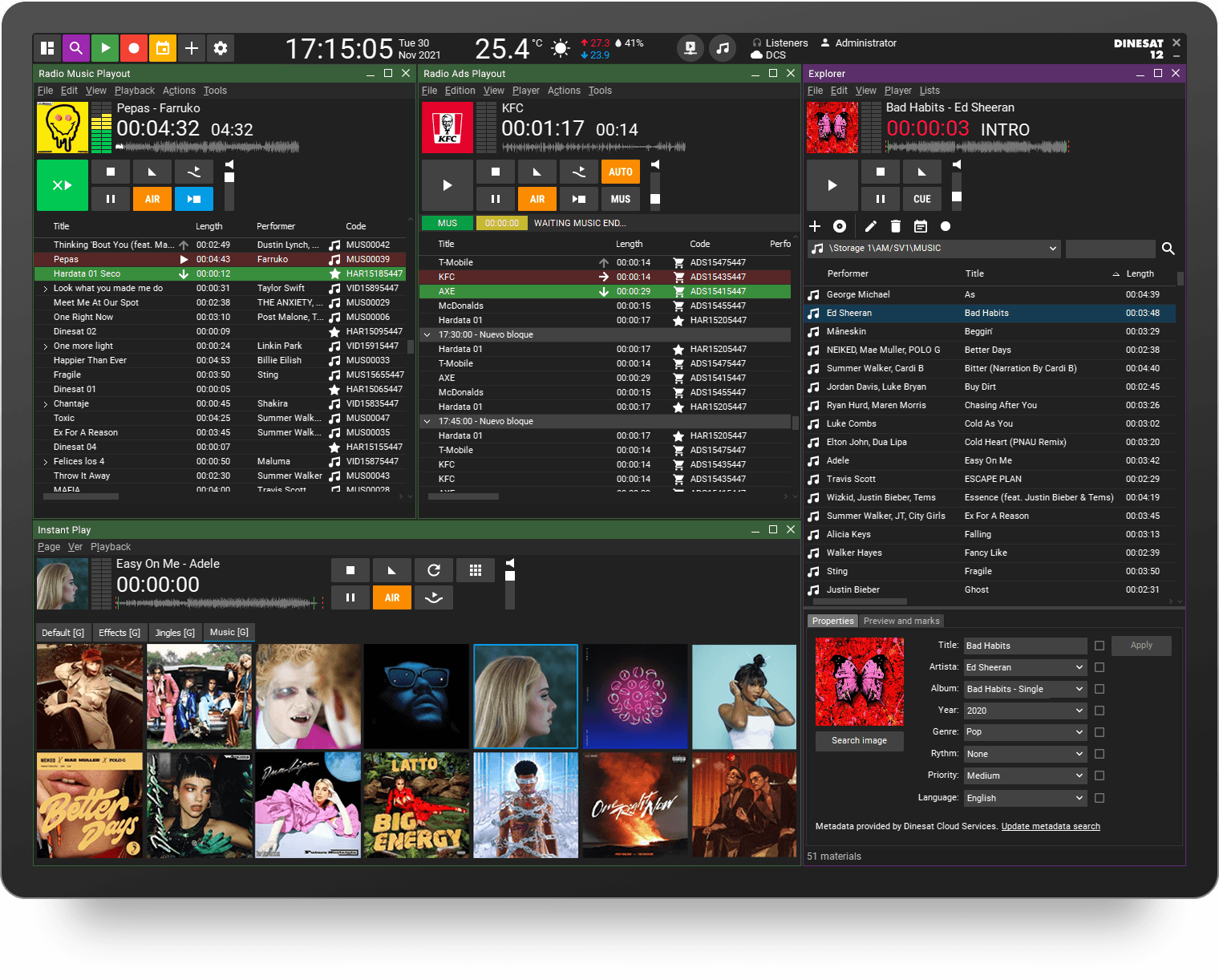
DINESAT 12 es un automatizador pensado para pequeñas y medianas emisoras de radio. Desarrollado para lograr una emisión prolija y profesional de tu contenido.
Artists like Run-DMC, the Beastie Boys, and Prince used their music to challenge racist attitudes and promote Black pride. The film “The Cosby Show,” which premiered in 1984, offered a groundbreaking portrayal of Black family life, challenging stereotypes and showcasing the diversity and complexity of Black experiences.
One of the most significant manifestations of the Black Taboo was the lack of representation in popular culture. In 1984, Black characters were scarce in film and television, and when they did appear, they were often relegated to stereotypical or marginal roles. The absence of Black faces and stories in mainstream media sent a powerful message: that Black people were not valued, not relevant, and not worthy of attention.
The year 1984 was a pivotal moment in history, marked by significant global events that shaped the world we live in today. However, amidst the chaos of politics, technology, and social change, there existed a cultural phenomenon that remained shrouded in secrecy and stigma. This was the “Black Taboo,” a term that refers to the collective silence and avoidance surrounding discussions of Black culture, identity, and experiences during that era.
In conclusion, the Black Taboo of 1984 was a complex and multifaceted issue that reflected the deep-seated racism and biases of the time. However, it was also a moment of resistance and resilience, as Black individuals and communities began to challenge the status quo and assert their rights, identities, and cultures. As we reflect on this pivotal moment in history, we are reminded of the ongoing struggle for racial justice and the importance of continued activism, advocacy, and cultural expression.
However, 1984 was also a year of resistance and resilience. Black artists, activists, and intellectuals began to challenge the status quo, pushing back against the racist norms and stereotypes that had been perpetuated for so long. The hip-hop movement, in particular, provided a powerful platform for Black expression, creativity, and self-empowerment.
The Black Taboo also had a profound impact on Black individuals themselves. The pressure to conform to white standards of beauty, behavior, and achievement led to internalized racism, self-doubt, and a disconnection from Black heritage. Many Black people felt compelled to hide their true selves, suppressing their culture, language, and identity in order to fit in with the dominant white culture.
Artists like Run-DMC, the Beastie Boys, and Prince used their music to challenge racist attitudes and promote Black pride. The film “The Cosby Show,” which premiered in 1984, offered a groundbreaking portrayal of Black family life, challenging stereotypes and showcasing the diversity and complexity of Black experiences.
One of the most significant manifestations of the Black Taboo was the lack of representation in popular culture. In 1984, Black characters were scarce in film and television, and when they did appear, they were often relegated to stereotypical or marginal roles. The absence of Black faces and stories in mainstream media sent a powerful message: that Black people were not valued, not relevant, and not worthy of attention.
The year 1984 was a pivotal moment in history, marked by significant global events that shaped the world we live in today. However, amidst the chaos of politics, technology, and social change, there existed a cultural phenomenon that remained shrouded in secrecy and stigma. This was the “Black Taboo,” a term that refers to the collective silence and avoidance surrounding discussions of Black culture, identity, and experiences during that era.
In conclusion, the Black Taboo of 1984 was a complex and multifaceted issue that reflected the deep-seated racism and biases of the time. However, it was also a moment of resistance and resilience, as Black individuals and communities began to challenge the status quo and assert their rights, identities, and cultures. As we reflect on this pivotal moment in history, we are reminded of the ongoing struggle for racial justice and the importance of continued activism, advocacy, and cultural expression.
However, 1984 was also a year of resistance and resilience. Black artists, activists, and intellectuals began to challenge the status quo, pushing back against the racist norms and stereotypes that had been perpetuated for so long. The hip-hop movement, in particular, provided a powerful platform for Black expression, creativity, and self-empowerment.
The Black Taboo also had a profound impact on Black individuals themselves. The pressure to conform to white standards of beauty, behavior, and achievement led to internalized racism, self-doubt, and a disconnection from Black heritage. Many Black people felt compelled to hide their true selves, suppressing their culture, language, and identity in order to fit in with the dominant white culture.
Ahora puedes contratar el servicio de streaming de DINESAT, haciendo que tu radio se escuche en cualquier lugar del mundo.
El precio corresponde a un año de servicio de streaming. Calidad de sonido MP3 128kbps / AAC 96kbps.
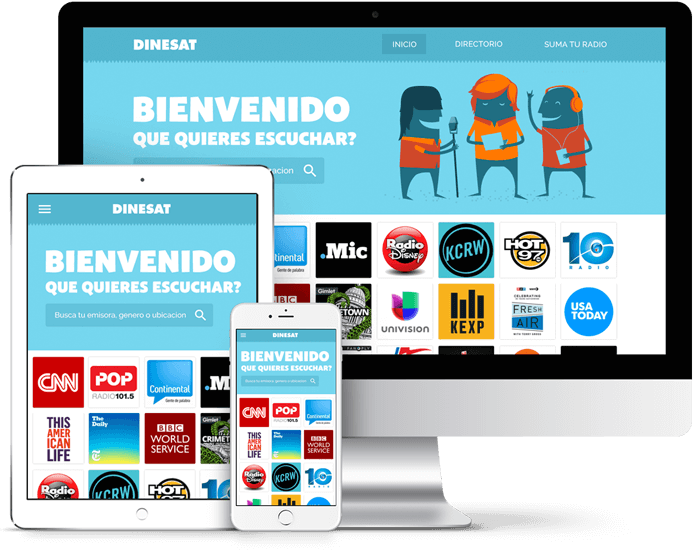
Diseñamos ambas aplicaciones y las dejamos disponibles en las tiendas para todos tus oyentes.
Hoy más que nunca necesitas tu aplicación para teléfonos móviles para que puedas acompañar a tu audiencia vaya adonde vaya.
Las aplicaciones contarán con el logotipo de la emisora, botón para escuchar y pausar, control de volumen, links a redes sociales y background playback.

La Asistencia Personalizada te ayudará a evitar o solucionar problemas. El servicio incluye atención prioritaria por mail, asistencia remota y línea de emergencias 24/7 sólo para problemas de emisión de aire.
Si ya cuentas con una suscripción activa contacta a Soporte.
Ir a SoporteEl soporte gratuito es sólo para consultas relacionadas con la instalación y activación inicial del producto. También puedes consultar el Centro de Ayuda donde encontrarás información útil sobre nuestros productos.