Thank you

A Product Trainer will contact you within two business days to schedule a one-on-one training session.
The investments paid off. By 2010, the US had installed over 20 gigawatts (GW) of wind power capacity, up from just 1.4 GW in 2000. Solar power was also gaining traction, with installations growing from 1.2 GW in 2008 to over 10 GW by 2015. The past decade has seen explosive growth in the renewable energy sector. In 2020, renewable energy accounted for 21% of the US’s electricity generation, up from 10% in 2010. Solar power has been a major driver of this growth, with installations increasing by over 300% since 2010. Wind power has also continued to expand, with the US now ranking second globally in terms of installed capacity.
The journey ahead will not be without its challenges, but the opportunities presented by renewable energy are too great to ignore. As the US continues to mature in its approach to renewable energy, we can expect to see even more innovative solutions, new technologies, and a cleaner, more sustainable future for generations to come. us matures xxx
Another challenge is the need for policy stability. The renewable energy sector has been subject to boom-and-bust cycles, with changes in government policies and incentives affecting investment and growth. The investments paid off
California, in particular, has been a pioneer in renewable energy policy. The state’s Renewables Portfolio Standard (RPS) requires utilities to generate at least 60% of their electricity from renewable sources by 2030. As a result, California has become one of the largest markets for solar and wind energy in the world. Despite the progress made, challenges still remain. One of the biggest hurdles facing the renewable energy sector is the need for infrastructure upgrades. The US grid was designed for a fossil fuel-based economy, and integrating large amounts of intermittent renewable energy requires significant investments in transmission and storage. The past decade has seen explosive growth in
A Product Trainer will contact you within two business days to schedule a one-on-one training session.
We’ve received your request for technical support. A Technical Support Specialist will contact you within 1 business day.
Your Target Market Request form has been sent. Your SocialCRM support agent will contact you to discuss any specifics, if needed.
Thank you for your interest in Mitchell 1 products. A Customer Service Agent will contact you within 1 business day.
Please allow 30 business days for your request to be processed.
We’ve received your request for assistance with your Mitchell 1 account. A Customer Service Agent will contact you within 1 business day.
We’ve received your request for a call back. A Customer Service Agent will contact you within 1 business day.
Thank you for contacting Mitchell 1 to discuss data integration opportunities. Clients who meet the requirements will be contacted to discuss a potential opportunity.
Your upgrade request for Accounting Link has been received. A Customer Service agent will contact you shortly.
Your details have been successfully submitted!
Direct Access—Pass-Through (transfer ticket) streamlines access straight into ProDemand Truck. Depending on the configuration, this workflow uses the user/password credentials or an account number. Your users can launch into ProDemand Truck, assuming they already have an active subscription.
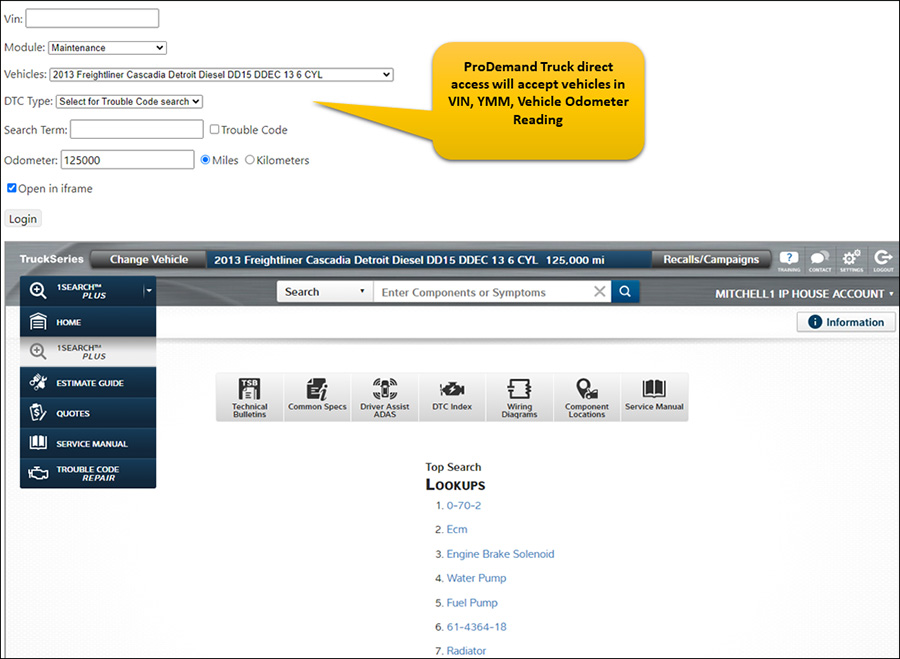
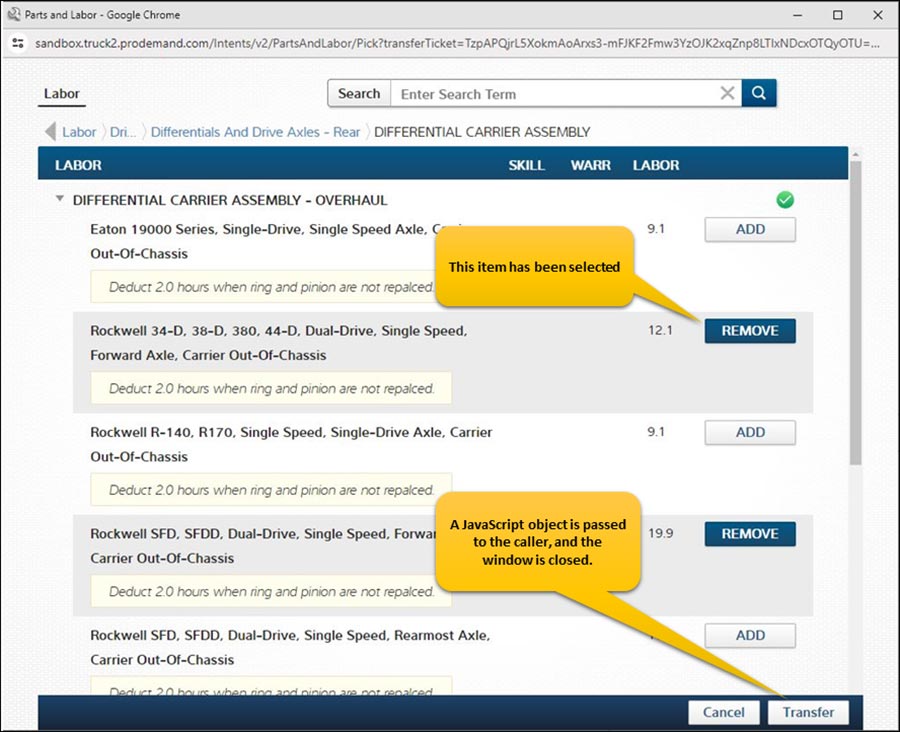
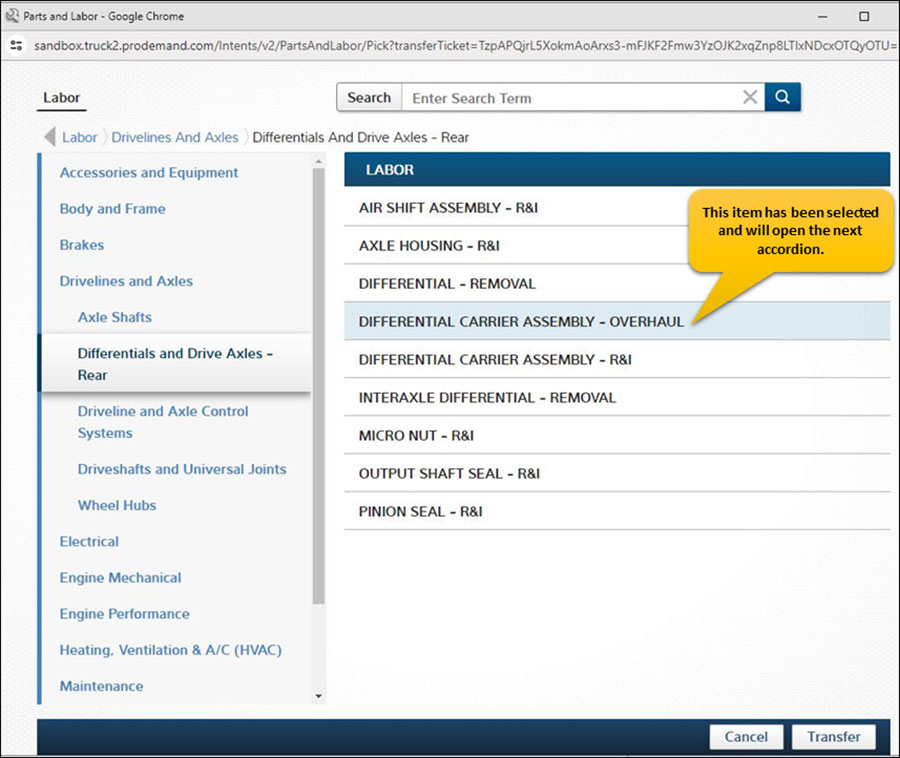
ProDemand Medium and Heavy-Duty Truck Class 4-8 has the following mechanisms for application-level integration with our repair content: (Labor)
Your users can launch the ProDemand Medium & Heavy-Duty Truck UI sub-sections, assuming they already have an active subscription.
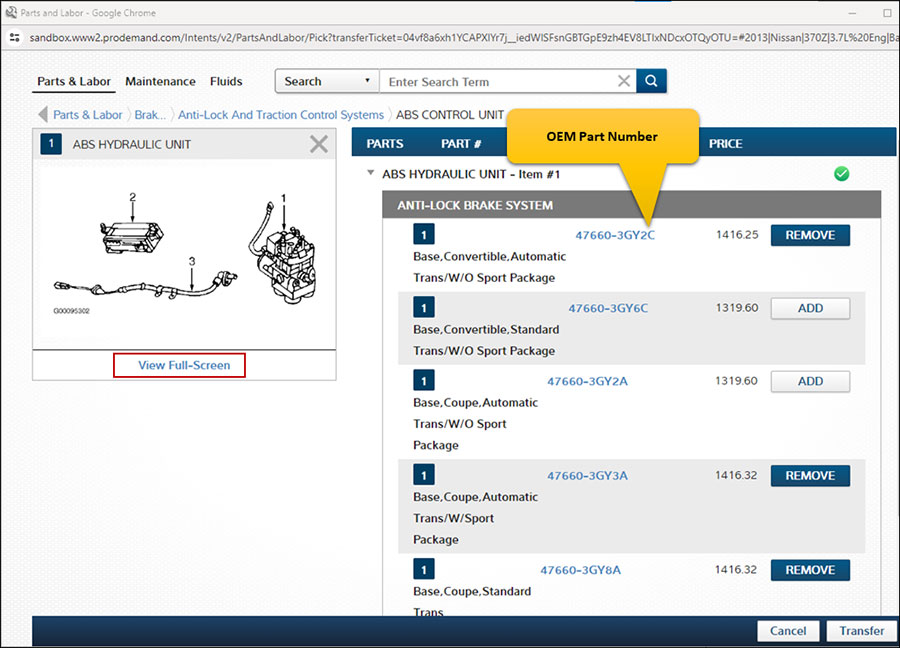
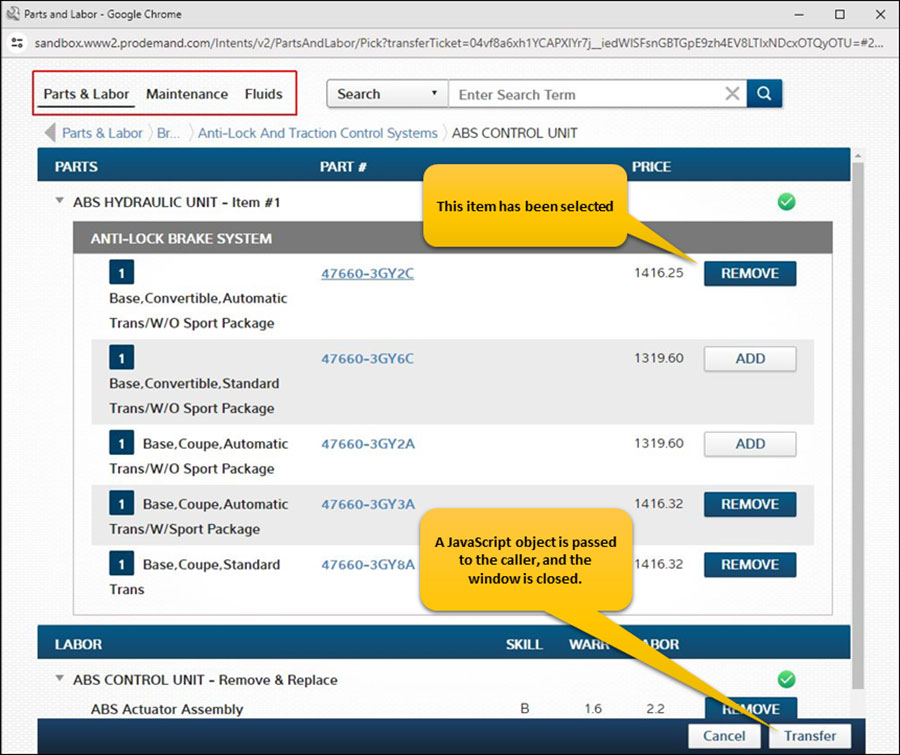
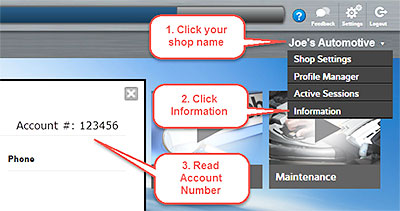
Direct Access—Pass-Through (transfer ticket) streamlines access straight into ProDemand. Depending on the configuration, this workflow uses the user/password credentials or an account number. Your users can launch into ProDemand, assuming they already have an active subscription.
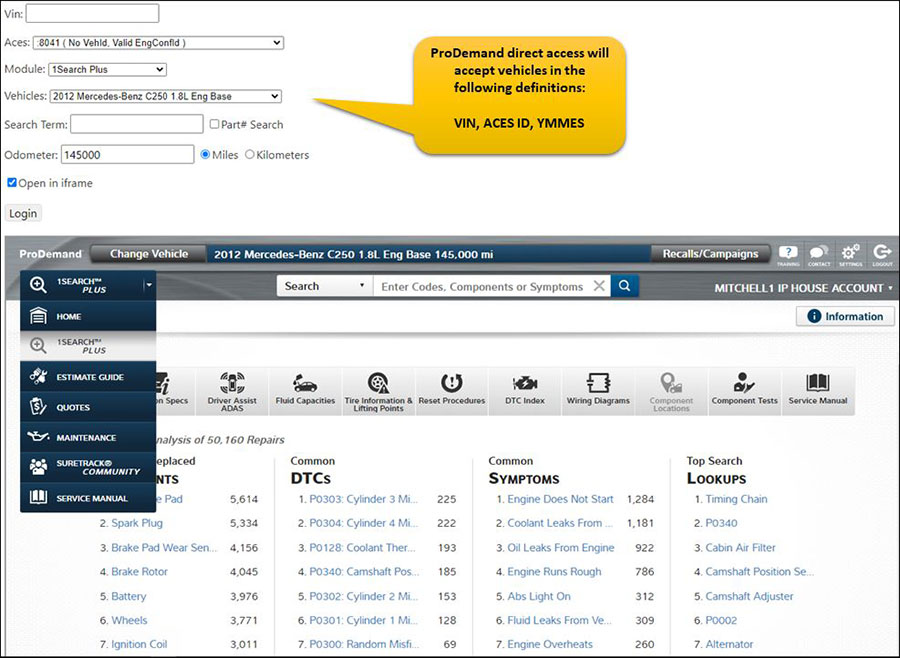
ProDemand Light Duty Automotive has the following mechanisms for application-level integration with our repair content: (Labor, Parts, Fluids, and Maintenance) Your users can launch the ProDemand Light Duty UI sub-sections, assuming they already have an active subscription.